Category: Uncategorized

  • Digital Marketing

    Introduction of Digital marketing
    Digital Marketing for Small Businesses strategy illustration

    Digital marketing has become essential for small businesses, but many owners struggle to understand where to begin. With so many platforms, tools, and strategies available, the entire process often feels confusing and overwhelming. Many small business owners believe that digital marketing requires a large budget, but in reality, even simple strategies can create strong results when applied consistently. Understanding the basics can help small businesses grow their online presence, attract new customers, and stay competitive in today’s market.

    Challenges small businesses face in digital marketing
    challenges-small-businesses-digital-marketing.jpg


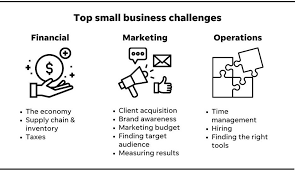
    Many small businesses find it difficult to create a clear marketing plan. They try different techniques without understanding how they work, which leads to wasted effort and inconsistent results. Another challenge is limited time. Business owners manage operations, sales, and customer service, so marketing often becomes a secondary priority. Budget limitations also create pressure, making it difficult to hire experts or invest in advanced tools. Some businesses also feel confused by changing algorithms and trends, which makes digital marketing seem more complicated than it actually is.

    Why small businesses struggle to see results


    Many owners expect immediate outcomes, which rarely happens in digital marketing. They run ads once or post on social media for a week and feel frustrated when results are slow. Another reason is that small businesses target very broad audiences instead of specific groups. Without understanding who their ideal customers are, marketing efforts become less effective. Poor content quality is another factor, as many businesses post irrelevant or inconsistent content that does not engage users. Some do not track their data, so they have no idea what is working and what needs improvement.

    Basic things small businesses should know before starting digital marketing

    Small businesses should understand that digital marketing is a long-term strategy. It requires patience and consistency, not random actions. They should also know that knowing their audience is more important than choosing a platform. When businesses understand customer needs, they can create better content and messaging. Another important point is understanding the business goal behind every marketing action. Whether it is brand awareness, lead generation, or sales, every strategy should align with clear goals.

    Simple tools small businesses can start with
    Many small businesses think they need expensive software, but free or low-cost tools are enough in the beginning. Basic tools like social media scheduling apps, free analytics tools, and simple design tools can make digital marketing easier. Email marketing tools with free plans are also useful for building customer relationships. Instead of investing heavily in tools, small businesses should focus on learning the basics.

    Areas of digital marketing small businesses should explore
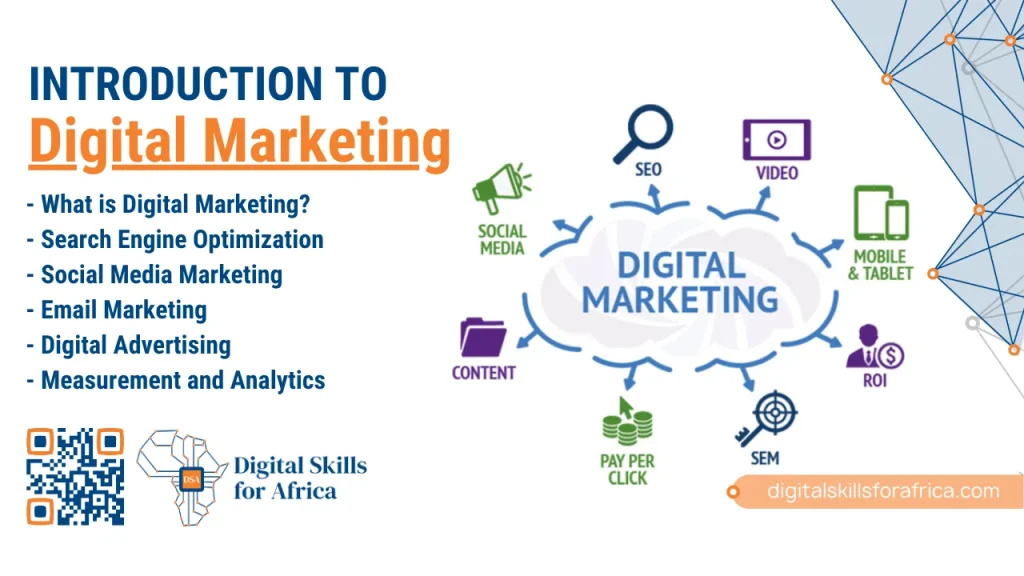
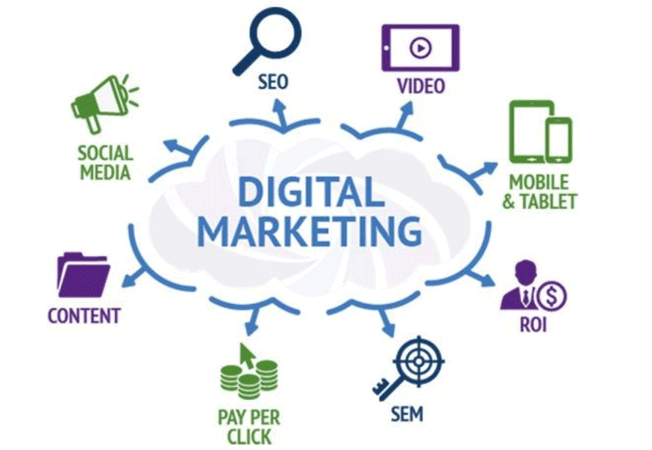
    Some common areas include social media marketing, search engine optimization, content marketing, email marketing, and paid advertising. Each area plays a unique role in building online presence. Social media helps with engagement and visibility. SEO helps businesses appear in search results. Content marketing builds trust through valuable information. Email marketing nurtures customer relationships, and paid ads provide faster but controlled visibility.

    Social media challenges small businesses face
    Many small businesses struggle to post consistently. They also do not know what type of content their audience prefers. Some business owners post only sales promotions, which reduces engagement. Others jump between platforms instead of focusing on one or two channels. Another challenge is responding to messages and comments on time, which affects customer perception.

    Content marketing mistakes small businesses make
    Creating content without strategy is one of the biggest issues. Many businesses post random topics instead of focusing on customer problems. Another mistake is copying competitors, which results in similar and unoriginal content. Some businesses write long posts without structure, making them difficult to read. A lack of visuals also reduces engagement.

    Common mistakes in digital marketing


    Small businesses often do not track performance. Without analyzing data, they cannot understand what campaigns are successful. Many businesses also fail to set a marketing budget, leading to inconsistent spending. Another mistake is ignoring online reviews, which significantly influence potential customers. Small businesses also sometimes react slowly to messages, leading to missed opportunities.

    Mistakes related to audience targeting


    Some businesses target everyone instead of a specific audience. This reduces ad performance and content relevance.

    Misunderstanding customer needs


    Businesses sometimes assume what customers want instead of researching their actual problems.

    Mistakes related to branding


    Inconsistent branding confuses customers and reduces trust.

    Poor visual identity


    Businesses often use different colors, fonts, or tone, making their brand look unprofessional.

    Unclear messaging


    If customers cannot understand what a business sells, they lose interest quickly.

    Tips for effective digital marketing for small businesses

    Start with clear goals and understand your audience. Create consistent branding across all platforms. Post regularly on social media and provide valuable content. Use simple tools to track performance and adjust strategies based on data. Engage with customers by responding to comments, messages, and reviews. Focus on long-term growth instead of quick results. Every small step contributes to overall progress.

    Areas where small businesses can start without investment


    Social media platforms are free to use. SEO can be started without tools through basic optimization. Google Business Profile is free and helps local visibility. Creating simple blog posts or videos does not require paid tools. Email lists can be built using free tiers of email platforms.

    Benefits of digital marketing for small businesses


    Digital marketing helps small businesses reach a larger audience, build trust, and compete with bigger companies. It improves brand awareness, increases website traffic, and strengthens customer relationships. It also allows businesses to measure performance in real time. Unlike traditional marketing, digital marketing provides flexibility since campaigns can be updated, paused, or optimized at any time.

    Common digital marketing myths


    Some people believe digital marketing is only for big brands. Others think paid ads are necessary for visibility. Another myth is that organic growth is completely free, but it requires time and effort. Many business owners think posting daily guarantees results, but quality is more important than quantity.

    Simple examples of digital marketing strategies


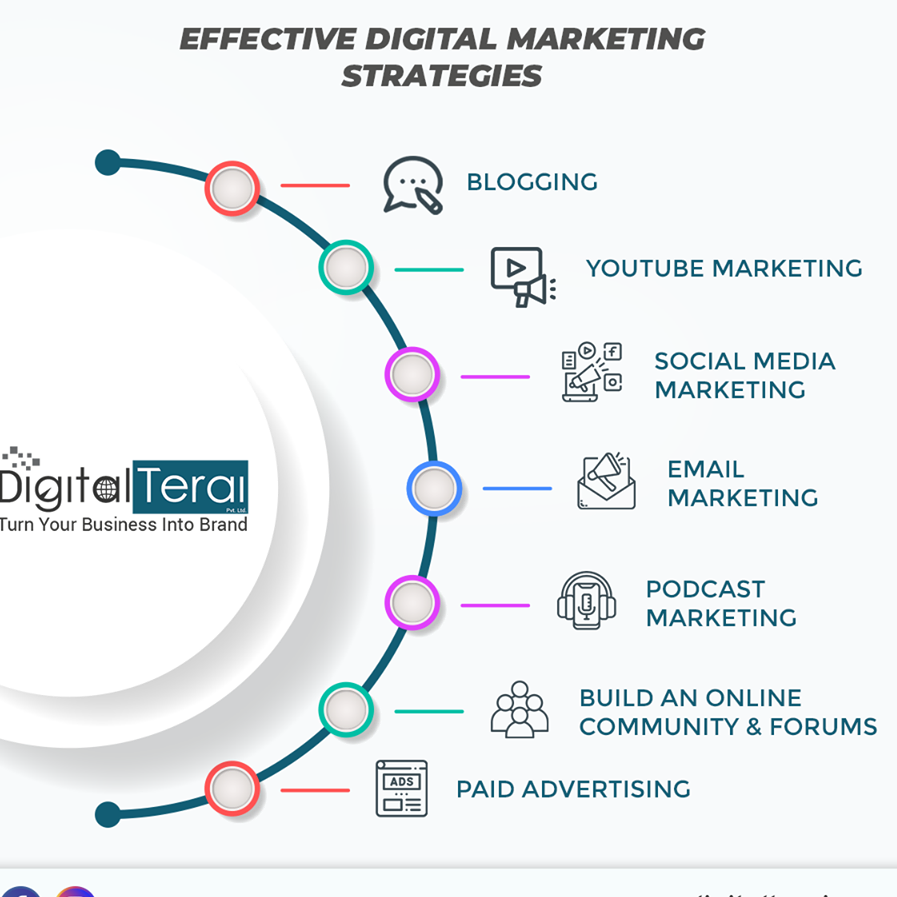
    Posting educational content on social media, publishing blog posts, sending weekly newsletters, running small ad campaigns, improving website SEO, and responding to customer reviews are all effective strategies. Small businesses can choose a few techniques and master them gradually.

    Mistakes to avoid in the beginning


    Avoid copying competitors blindly, posting irregularly, or targeting broad audiences. Do not ignore analytics or customer feedback. Avoid investing in expensive tools at the start. Be patient, avoid shortcuts, and focus on creating long-term value.

    • List of things small businesses should track
    • Website traffic growth
    • Engagement on social media
    • Email open rates
    • Customer inquiries
    • Conversion rates
    • Audience demographics
    • Content performance
    • Customer feedback
    • Return on ad spend

    Frequently asked questions


    What is the best platform for small businesses?


    It depends on the audience. Some businesses do well on Facebook, others on Instagram, LinkedIn, or TikTok. The best platform is the one where your customers spend time.

    How much should small businesses spend on digital marketing?


    There is no fixed rule. Some businesses start with zero budget and rely on organic methods. Others spend small amounts on ads. The budget depends on goals and industry competition.

    Can digital marketing work without a website?


    Yes, but having a website makes marketing easier. Businesses can still use social media, email, or marketplace listings, but websites provide more control and professionalism.

    How often should small businesses post on social media?


    Consistency matters more than frequency. Posting three to four times a week with useful content is better than posting daily without strategy.

    Does digital marketing help local businesses?


    Yes, especially with tools like Google Business Profile, local SEO, and local social media engagement.

    Can small businesses compete with big companies?


    Absolutely. Digital marketing gives small businesses a chance to build a strong brand, connect personally with customers, and create unique value.

    https://skillshikshya.com/courses/digital-marketing-training-in-nepal
  • Start Yoga For Beginner

    Yoga has become extremely popular, but many beginners still struggle to understand how to start properly. There are countless poses, breathing methods, and styles that can make the practice confusing. Many new practitioners jump into routines without learning the basics, which leads to frustration, slow progress, or even injuries. Some people assume they need a lot of expensive equipment to begin yoga, but in reality, basic clothing and a simple mat are usually enough for most starting sessions. The first steps into yoga can feel overwhelming, but learning how to approach the practice can make a huge difference in results.

    Common challenges beginners face


    One of the biggest challenges is that beginners often try advanced poses too early. They see experienced practitioners performing complex movements and feel pressured to imitate them. This creates unnecessary strain on the muscles and joints. Another challenge is inconsistency. People practice a few times and expect immediate results, but yoga requires both patience and regular effort. Many beginners do not understand the connection between breathing and posture, which reduces the benefits of their sessions. Mental distractions are also common, as people tend to check their phones or lose focus during practice.

    Why beginners quit too early ?


    A lot of beginners stop practicing yoga because they think they are not flexible enough. They compare themselves to others and believe yoga is only for people who can bend easily. Another reason people quit is the lack of proper guidance. Practicing alone without basic knowledge can make yoga seem complicated. Some beginners also push themselves too hard, leading to soreness and discouragement. It takes time to develop balance, posture stability, and proper breathing techniques. Without early wins, many lose motivation.

    Basic things beginners should know before starting


    Before starting yoga, beginners should understand that it is a gradual journey. The body adapts slowly, and consistency is more important than intensity. They should also know that yoga is not only physical; it combines movement, breathing, and mindfulness. Another thing to understand is that progress varies from person to person. Some people gain flexibility faster, while others improve balance or strength first. Understanding these basic ideas helps beginners approach yoga with realistic expectations.

    Simple equipment suitable for beginners


    Beginners do not need expensive gear. A simple mat, comfortable clothing, and maybe a bottle of water are enough to start. Some people like to use blocks or straps, but these are optional. Many individuals waste money buying advanced equipment without knowing how to use it. At the initial stage, it is better to focus on learning movements rather than collecting accessories. Over time, practitioners may add more supportive tools if needed.

    Warmups beginners should not skip


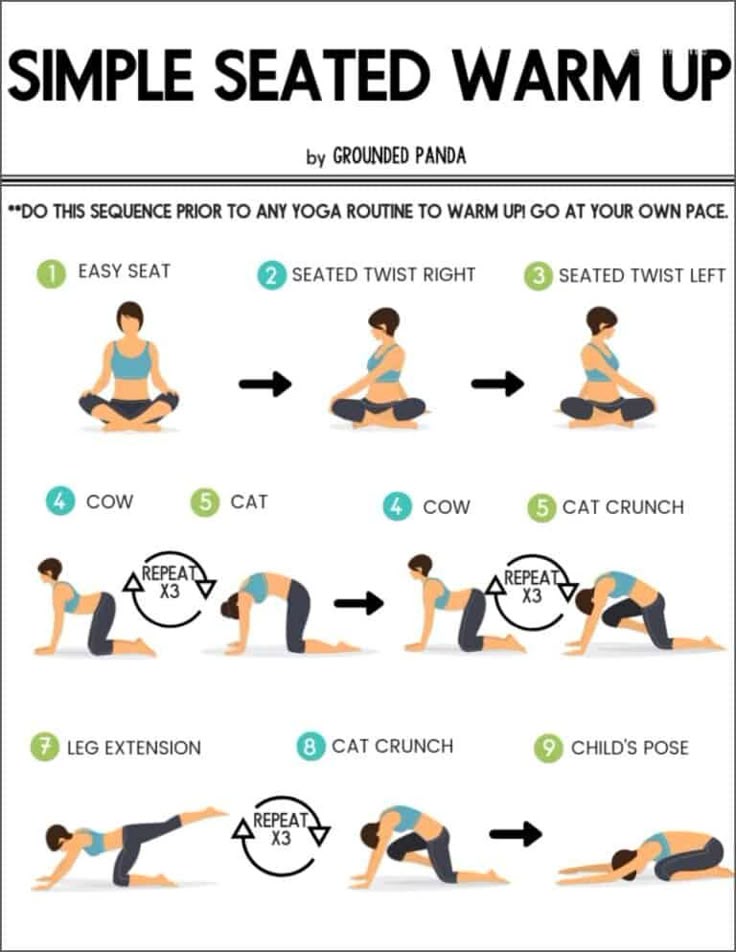
    Before starting any yoga session, beginners should warm up properly. Warmups help activate muscles, prepare the joints, and reduce the risk of strain. Ignoring warmups is one of the biggest mistakes new practitioners make. Some simple warmup ideas include gentle neck rotations, shoulder movement, wrist loosening, hip circles, light stretching, and basic breathing exercises. These small activities can significantly improve performance and comfort during yoga sessions.

    Benefits of yoga for beginners


    Yoga offers several benefits to beginners, including improved flexibility, better posture, enhanced balance, stronger muscles, and improved breathing control. It also provides mental benefits such as stress reduction, improved concentration, and increased relaxation. Beginners often notice that regular yoga practice helps them sleep better and feel calmer throughout the day. The combination of physical and mental improvement makes yoga a well-rounded choice for overall wellness.

    Common mistakes beginners make


    Beginners often breathe incorrectly by holding their breath during difficult poses. Many new practitioners skip cool-down or relaxation time at the end of the session. Some compare themselves to others, which creates pressure and frustration. Others move too fast and ignore alignment, which leads to long-term issues. Another common mistake is practicing without understanding limits, causing strain in the lower back, knees, or wrists. Recognizing these mistakes early can help beginners avoid unnecessary discomfort.

    Mistakes related to breathing


    Many beginners breathe too fast, too shallow, or inconsistently. This reduces energy and stability.

    Misunderstanding breath control


    Beginners sometimes think deep breathing means forcing air into the lungs. Instead, breath control should be natural and smooth.

    Mistakes related to posture


    Incorrect posture puts stress on the joints and muscles.

    Poor spine alignment


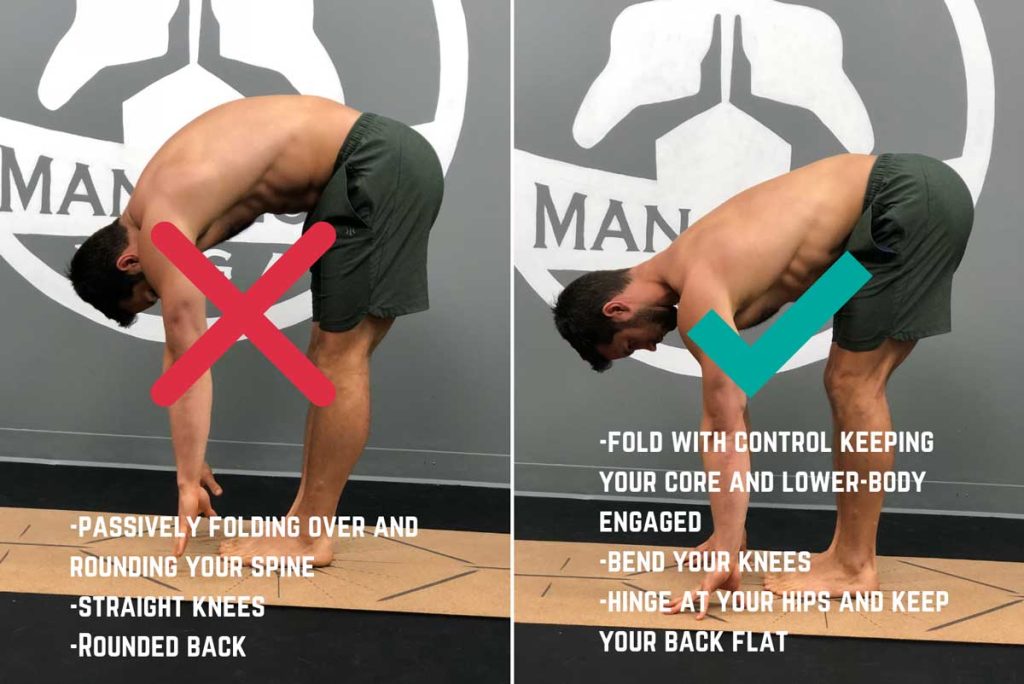
    Beginners often round their back or overstretch, leading to discomfort.

    Locking the knees


    This creates unnecessary strain and reduces balance.

    Tips for safe practice


    Beginners should start slowly and follow guided instructions whenever possible. It is important to stay aware of body signals and stop if something feels painful. Hydration is important, especially in warm environments. Beginners should also practice on a non-slippery surface to avoid falls. Practicing near a wall can help with balance during standing poses. Consistency is key, and even small daily sessions are more effective than long sessions once a week.

    Simple yoga poses for beginners


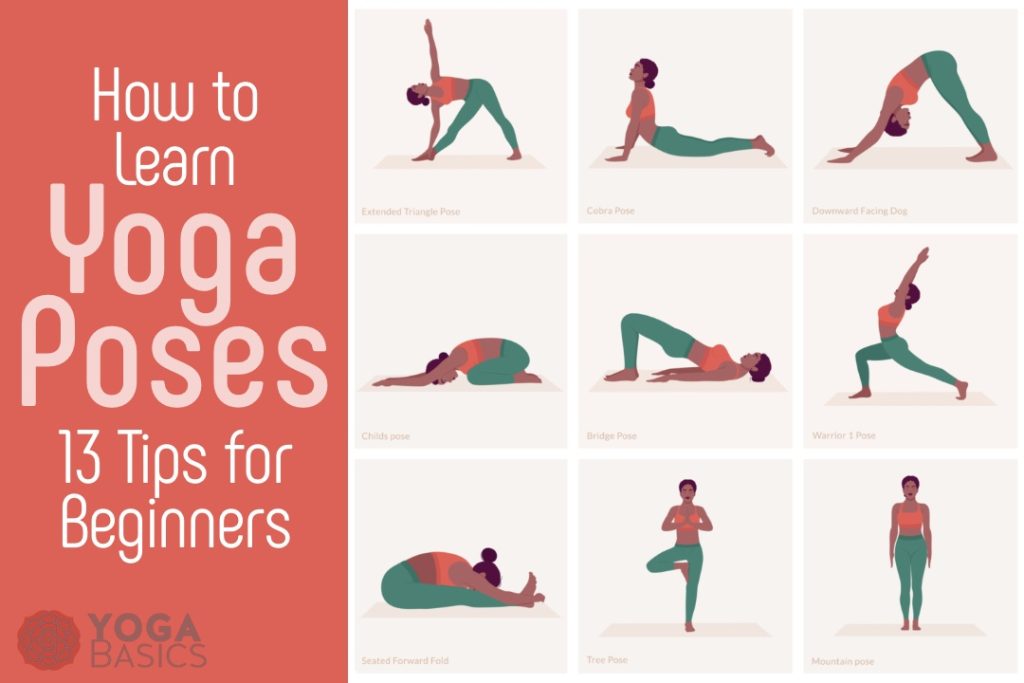
    Some basic poses suitable for beginners include mountain pose, child’s pose, cat-cow pose, downward-facing dog, cobra pose, seated forward bend, and bridge pose. These poses help beginners develop core strength, improve flexibility, and learn proper breathing alignment. These basic movements create a strong foundation for more advanced postures in the future.

    Poses that improve flexibility


    Forward bends, hip openers, and gentle twists help improve flexibility.

    Poses that help build strength


    Plank variations, chair pose, and bridge pose help strengthen muscles over time.

    Breathing techniques beginners should learn


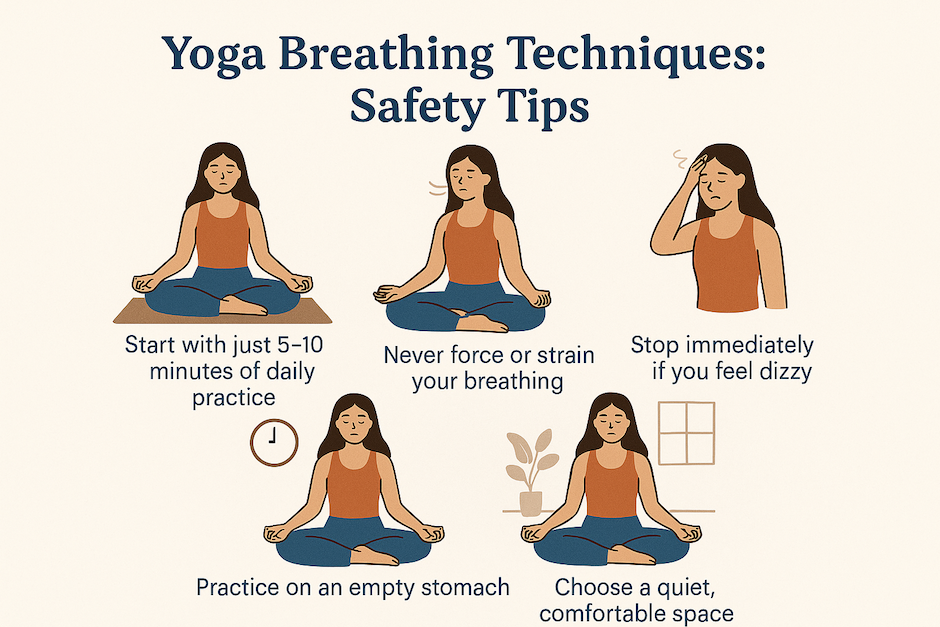
    Proper breathing helps improve posture, reduce stress, and support movement. Beginners can practice simple breathing techniques such as diaphragmatic breathing, box breathing, and alternate nostril breathing. These methods help increase awareness, calm the mind, and improve focus during practice. Breathing should always be slow, deep, and steady rather than fast or shallow.

    Advantages of practicing yoga at home


    Practicing at home gives beginners flexibility in timing and comfort. It is easier to follow short routines and avoid the pressure of performing in front of others. Home practice also allows beginners to experiment with different styles at their own pace. However, beginners should still follow guided videos or instructors to avoid developing incorrect habits.

    Why beginners should consider joining a class ?


    Joining a class provides professional guidance, structure, and feedback. Instructors can correct posture, suggest modifications, and ensure safety. The group environment can increase motivation and consistency. Classes also expose beginners to different yoga styles, helping them find what suits them best. Even occasional classes combined with home practice can significantly improve skill development.

    Relaxation and recovery


    Relaxation is an essential part of yoga, especially for beginners who tend to skip it. The relaxation phase helps the body absorb the benefits of practice, release tension, and calm the mind. It also supports long-term progress by preventing fatigue and enhancing mental clarity. Beginners should spend at least a few minutes relaxing at the end of every session.

    Mistakes to avoid as a beginner


    Beginners should avoid pushing too hard, ignoring pain signals, practicing on uneven surfaces, holding their breath, and skipping warmups. They should avoid copying advanced poses seen online and should not compare their progress with others. It is important not to rush and instead build a solid foundation slowly.

    List of things beginners should track


    Progress in flexibility
    Balance improvements
    Breathing control
    Consistency in practice
    Comfort level in different poses
    Posture alignment awareness

    Frequently asked questions ?


    What is the best time for beginners to practice yoga
    Any time of the day works, but beginners often find mornings more energizing and evenings more relaxing. The key is consistency rather than timing.

    How often should beginners practice ?


    Practicing three to five times a week is ideal. Even short sessions of 10 to 15 minutes can bring visible improvements if done regularly.

    Do beginners need to be flexible to start yoga ?


    No, flexibility develops over time. Yoga is suitable for all body types, and improvement comes gradually with regular practice.

    Is yoga good for stress ?


    Yes, yoga helps reduce stress through breathing techniques, gentle movement, and relaxation exercises.

    Do beginners need a teacher ?


    Not necessarily, but guidance helps prevent mistakes and ensures safe progress. Beginners can combine online videos with occasional classes.

    Can beginners lose weight through yoga ?


    Yes, yoga supports weight loss by improving metabolism, building muscle, and reducing stress, which can affect eating habits.

  • Hello world!

    Welcome to WordPress. This is your first post. Edit or delete it, then start writing!